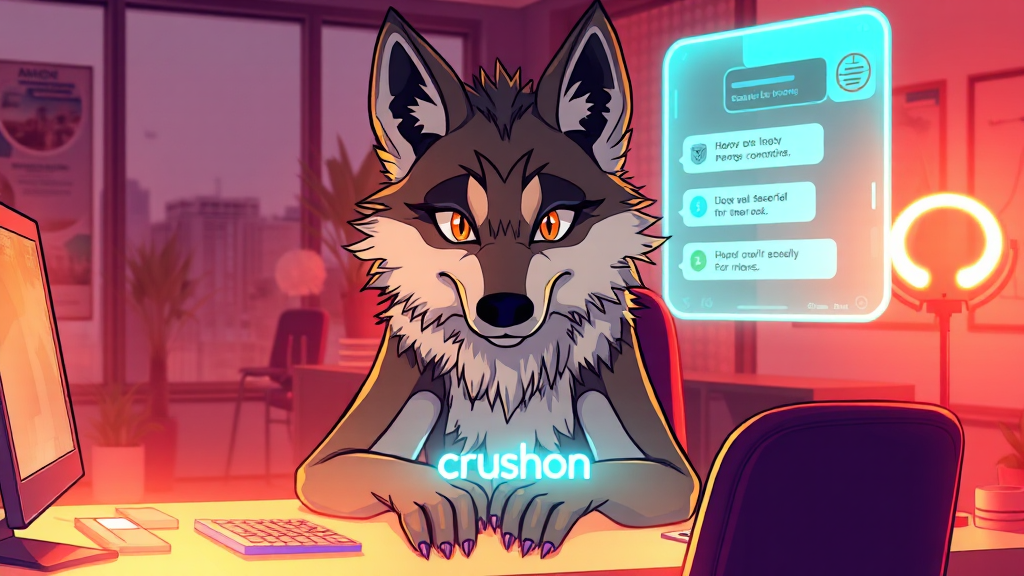
Furry AI Chat NSFW: How Anthropomorphic Roleplay Bots Actually Work
Anthropomorphic characters have moved from niche forums and art galleries into a much bigger space: conversational AI. If you have searched for furry ai chat nsfw, you already know the appeal. You want a character with ears, a tail, a personality, and a backstory that responds to you in real time. You also want the freedom to take a mature conversation wherever it leads without being interrupted by a filter every three messages.
That combination is harder to build than it sounds. A furry persona is not just a human chatbot with animal nouns swapped in. The best versions handle species traits, speech patterns, relationship dynamics, and adult content boundaries all at once. This article breaks down how these systems work, what separates a good one from a frustrating one, and how to get more out of your own sessions.
What Makes Anthropomorphic AI Characters Different
A generic chatbot starts from a blank personality. You type a prompt, it answers, and the exchange ends. An anthropomorphic character bot starts from a defined identity. That identity usually includes a species, a body description, a voice or speech style, a temperament, and a set of relationships the character already has in its fictional world. When you open a chat, you are stepping into that world rather than building one from scratch.
Species choice matters more than most people expect. A wolf character is often written with pack loyalty, directness, and protective instincts. A fox tends toward wit and teasing. A dragon may speak with formality and a sense of age. These are conventions, not rules, but they give the model a stable anchor. Without that anchor, the character drifts and starts sounding like a default assistant with a costume on.
The second difference is emotional continuity. Good anthropomorphic bots remember what happened earlier in the conversation. If your character was shy in the first ten messages, they should not suddenly become bold in message eleven unless something in the story caused that shift. Continuity is what makes long sessions feel like a story instead of a series of disconnected replies.
Why the NSFW Layer Changes the Technical Picture
Adult content is where most general-purpose chatbots fall apart. Mainstream platforms apply safety filters that block mature themes, and those filters often trigger on harmless words that merely appear in a suggestive context. The result is a conversation that stops mid-scene for no clear reason.
Dedicated platforms take a different approach. They allow adult roleplay as a core feature rather than treating it as an edge case. That means the underlying model is tuned to handle romantic and intimate scenes without refusing, and the moderation layer is designed to block genuinely harmful content instead of blocking anything that sounds adult. The practical effect for users is simple: fewer interruptions, better pacing, and responses that stay in character during intense moments.
There is a tradeoff. Platforms with looser content rules still need some boundaries, and those boundaries vary. Reading the community guidelines before you start saves a lot of confusion later. It also helps to understand that adult roleplay quality depends heavily on how you write. Vague prompts produce vague replies, no matter how good the model is.
Character Consistency: The Hardest Problem to Solve
Anyone can generate a furry character description. Keeping that character consistent across a hundred messages is the real engineering challenge. Several things have to work together.
Persona memory. The system needs to retain key facts about the character and about you. Names, relationship status, established history, and physical details should not reset when the conversation gets long.
Style anchoring. Speech patterns need reinforcement. If a character uses short, clipped sentences and avoids contractions, the model should maintain that even during emotional scenes. Drift is the most common complaint from experienced users.
Scene awareness. The bot should track where the scene is taking place, who is present, and what just happened. Losing track of location or participants breaks immersion instantly.
Boundary respect. A well-built character has limits that are part of their personality, not just platform rules. A cautious character should hesitate. A confident character should not. Respecting those traits makes the roleplay feel authored rather than generated.
Platforms that invest in memory architecture and character tuning produce noticeably better sessions. The difference shows up around the twenty-message mark, when weaker systems start repeating themselves or forgetting earlier context.
Writing Prompts That Get Better Responses
The quality gap between a mediocre session and a great one usually comes down to how the user writes. A few habits make a large difference.
Give the character something to react to. Instead of writing “hello,” describe a situation. Mention where you are, what you are doing, and what mood you are in. The bot has more material to work with and will produce a more specific reply.
Use action and dialogue together. Mixing narration with spoken lines gives the model clear signals about tone. It also establishes a rhythm that the bot tends to mirror, which improves consistency over time.
Correct drift early. If the character starts sounding generic, restate a trait in your next message. A short reminder like “remember, you never use long words” pulls the model back on track far more effectively than complaining about it.
Keep a consistent tense and perspective. Switching between past and present tense mid-scene confuses the model and produces inconsistent replies. Pick one and stay with it.
Avoid stacking too many instructions in one message. If you want to change the scene, the mood, and the character’s attitude all at once, do it across two or three exchanges. The model handles incremental changes better than abrupt overhauls.
Privacy, Data, and What to Check Before You Commit
Adult roleplay involves personal content, so privacy deserves real attention. Before investing time in any platform, look at how conversations are stored, whether chats are used for training, and what deletion options exist. A clear privacy policy is a good sign. Vague language about “improving services” is worth scrutinizing.
Account security also matters. Use a unique password, enable two-factor authentication if it is offered, and avoid linking accounts you would not want associated with your activity. These are basic steps, but they are frequently skipped.
Finally, check whether the platform lets you delete individual messages or entire conversations. Being able to remove content you no longer want stored is a reasonable expectation and a useful signal about how seriously a service treats user control.
Common Mistakes New Users Make
Most frustrations in furry AI chat come from a handful of avoidable habits.
Treating the bot like a search engine is the first one. These characters are built for narrative interaction, not factual answers. Asking for information pulls them out of character and produces flat replies.
Writing one-line messages is the second. Short inputs give the model little to work with. Two or three sentences of setup typically doubles the quality of the response.
Ignoring the character’s established personality is the third. If you picked a guarded character and immediately expect warm openness, the session will feel off. Work with the traits you chose, or pick a different character.
Expecting perfect memory is the fourth. Even strong systems have limits. If a detail matters to the story, restate it occasionally rather than assuming it will be retained forever.
Where the Technology Is Heading
Anthropomorphic roleplay bots are improving quickly. The next wave of development is focused on long-term memory, multi-character scenes, and richer emotional modeling. Multi-character scenes are particularly interesting because they let users interact with a small cast rather than a single persona, which opens up entirely new storytelling formats.
Voice integration is another area of active work. Spoken dialogue with species-appropriate vocal characteristics is technically feasible and already appearing in early forms. Combined with better memory, that points toward sessions that feel less like texting and more like interactive fiction.
For now, the practical advice stays the same. Choose a platform with strong character consistency, clear privacy practices, and content rules that match what you actually want to do. Then invest a little effort in your own writing. The technology is good enough to reward that effort, and it is only getting better.
FAQ
What does furry AI chat NSFW actually mean?
It refers to conversational AI characters based on anthropomorphic animal personas that are allowed to engage in mature or adult roleplay. The “NSFW” part signals that the platform permits romantic and intimate content rather than filtering it out.
Are these characters just generic chatbots with animal names?
No. Well-built characters have defined species traits, speech styles, personalities, and backstories. The good ones maintain those traits consistently across long conversations, which is what separates them from a standard assistant with a costume.
How do I keep a character from drifting out of personality?
Restate key traits when you notice drift, keep your own writing style consistent, and avoid sudden changes in scene or tone. Incremental adjustments work much better than abrupt overhauls.
Is my conversation data private?
That depends entirely on the platform. Check the privacy policy for details on storage, training use, and deletion options. Use a unique password and enable two-factor authentication where available.
Why do longer messages get better replies?
More context gives the model more to work with. A message that includes setting, action, and mood produces a response that fits the scene, while a one-word input forces the bot to guess.